The Silent Epidemic: What Chronic Stress Is Really Doing to Your Body and Mind

7 minute read | Mental Health & Well-Being
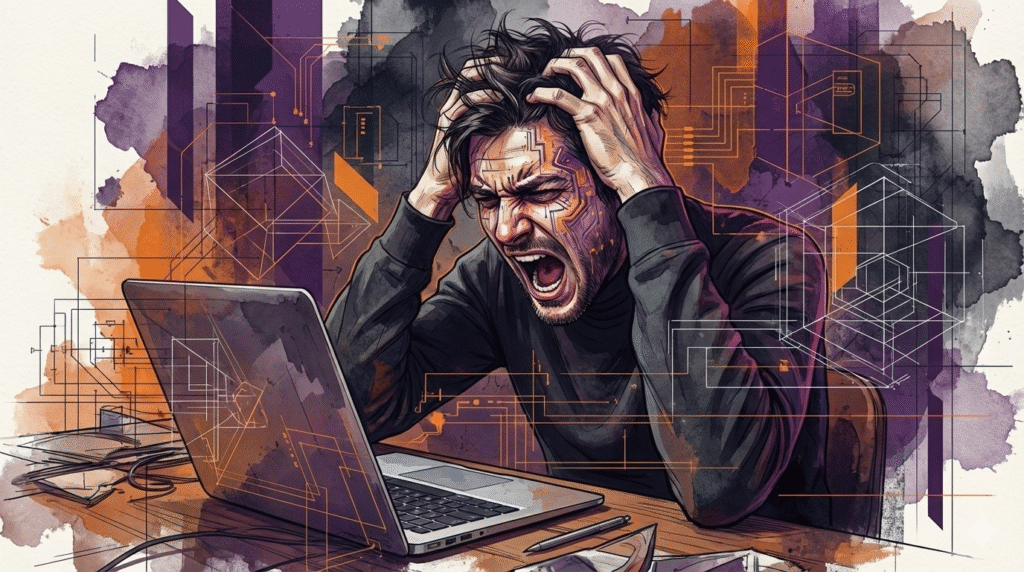
Your alarm blares. Your shoulders are already tight. Your mind is racing through the day’s demands before your feet hit the floor. You check your phone—23 new messages, 47 unread emails, calendar notifications pinging. Your jaw clenches.
Sound familiar?
You tell yourself you’ll relax later. This weekend. After this project. When things calm down.
But things never calm down. And meanwhile, stress isn’t just making you tired or irritable—it’s literally reshaping your brain, weakening your immune system, and stealing years from your life.
The Stress Statistics That Should Alarm You
Let’s talk about what chronic stress is really doing:
- 77% of people regularly experience physical symptoms caused by stress
- 73% regularly experience psychological symptoms from stress
- 48% of people report lying awake at night due to stress
- Chronic stress increases your risk of heart disease by 40%, stroke by 50%, and heart attack by 25%
- Depression and anxiety disorders are strongly linked to prolonged stress exposure
- The American Psychological Association estimates that stress costs the U.S. economy over $300 billion annually in healthcare costs and lost productivity
These aren’t just numbers—they represent millions of people suffering in silence, believing that stress is just “part of life” and something they should “tough out.”
But stress isn’t a badge of honor. It’s a serious health crisis masquerading as normalcy.
Understanding the Stress Response: What’s Happening Inside You
When you face a stressor, your body activates an ancient survival mechanism called the fight-or-flight response. Here’s what happens in seconds:
- Your amygdala (the brain’s threat detector) sounds the alarm
- Your hypothalamus signals your adrenal glands
- Cortisol and adrenaline flood your bloodstream
- Your heart rate increases, blood pressure spikes, breathing accelerates
- Blood flow redirects from digestion and immune function to your muscles
- Your pupils dilate, senses sharpen, and you’re primed for action
This response is brilliant—if you’re facing an actual physical threat. The problem? Your body can’t distinguish between a charging lion and a passive-aggressive email from your boss.
So this emergency system gets activated dozens of times per day, keeping you in a perpetual state of high alert. Your body was never designed for this.
The Physical Toll: How Stress Destroys Your Health
Cardiovascular Damage
Chronic stress keeps your blood pressure elevated, damages arterial walls, promotes inflammation, and increases dangerous blood clotting. Over time, this dramatically raises your risk of heart attack, stroke, and heart disease.
Immune Suppression
Cortisol suppresses your immune system. People under chronic stress get sick more often, recover more slowly, and are more susceptible to infections, viruses, and even cancer.
Digestive Dysfunction
Ever notice your stomach hurts when you’re stressed? That’s because stress diverts resources away from digestion. Chronic stress contributes to irritable bowel syndrome (IBS), acid reflux, ulcers, and inflammatory bowel disease.
Metabolic Chaos
Stress hormones increase blood sugar and promote fat storage, particularly dangerous visceral fat around your organs. This creates a perfect storm for type 2 diabetes, obesity, and metabolic syndrome.
Chronic Pain and Tension
Those tight shoulders? Tension headaches? Chronic back pain? Stress causes muscle tension that, over time, becomes chronic pain. It also exacerbates conditions like fibromyalgia and arthritis.
Sleep Disruption
Elevated cortisol makes quality sleep nearly impossible. You either can’t fall asleep because your mind is racing, or you wake up at 3 AM with anxiety. Poor sleep then makes you less resilient to stress, creating a vicious cycle.
Accelerated Aging
Chronic stress literally shortens your telomeres—the protective caps on your chromosomes. Shorter telomeres mean faster cellular aging. Stress doesn’t just make you feel older; it makes you biologically older.
The Mental and Emotional Devastation
The physical consequences are alarming, but stress’s impact on mental health is equally destructive:
Anxiety Disorders
Prolonged stress rewires your brain to be hypervigilant. The amygdala (fear center) becomes overactive while the prefrontal cortex (rational thinking) becomes less effective. Result? Constant worry, panic attacks, and generalized anxiety.
Depression
Chronic stress depletes neurotransmitters like serotonin and dopamine. It shrinks the hippocampus (memory and emotion regulation) and promotes inflammatory processes linked to depression.
Cognitive Decline
Stress impairs memory, reduces attention span, clouds decision-making, and decreases creativity. Studies show that people under chronic stress perform significantly worse on cognitive tests.
Emotional Dysregulation
Stress makes you reactive, irritable, and emotionally volatile. You snap at loved ones, cry at minor setbacks, or feel emotionally numb. Your emotional thermostat is broken.
Burnout
When stress becomes overwhelming and unrelenting, burnout sets in: complete physical and emotional exhaustion, cynicism, detachment, and a profound sense of ineffectiveness.
The Ripple Effect: How Stress Destroys Your Life Quality
Beyond health, stress corrodes everything it touches:
Relationships Suffer
When you’re stressed, you’re less patient, less present, more critical, and more defensive. You withdraw from loved ones or lash out at them. Intimacy evaporates. Conflict escalates.
Work Performance Declines
Stress reduces productivity, creativity, and decision-making ability. You make mistakes, miss deadlines, struggle with focus. Ironically, the more stressed you are about work, the worse you perform.
Joy Vanishes
Things you used to enjoy feel like obligations. You’re too exhausted for hobbies, too anxious for fun, too preoccupied to be present during experiences that should bring pleasure.
Self-Care Disappears
When stressed, people abandon the very habits that would help them: exercise, healthy eating, sleep hygiene, social connection. Instead, they turn to quick fixes: excessive caffeine, alcohol, junk food, doom-scrolling.
Future Feels Bleak
Chronic stress creates a pervasive sense of hopelessness. You feel trapped, overwhelmed, unable to change your circumstances. This learned helplessness can spiral into serious mental health crises.
The Hidden Truth: Most People Don’t Recognize Their Stress
Here’s what’s dangerous: stress becomes so normalized that people don’t even recognize it anymore. Ask someone if they’re stressed and they’ll say “not really—this is just how life is.”
Warning signs you might be dismissing:
- Constant fatigue that sleep doesn’t fix
- Regular headaches or digestive issues
- Difficulty concentrating or remembering things
- Increased irritability or mood swings
- Changes in appetite or sleep patterns
- Withdrawal from activities and people
- Increased reliance on alcohol, caffeine, or other substances
- Feeling overwhelmed by routine tasks
- Physical tension (tight shoulders, clenched jaw)
- Racing thoughts or difficulty quieting your mind
If these feel “normal” to you, that’s the problem. You’ve adapted to dysfunction.
Why “Just Relax” Doesn’t Work
When people recognize their stress, the typical advice is useless:
- “Just relax” (How??)
- “Take a vacation” (Stress is still there when you return)
- “Think positive” (Toxic positivity doesn’t change circumstances)
- “Exercise more” (When you can barely get through the day?)
These fail because they treat symptoms, not root causes. They provide temporary relief, not sustainable change.
Real stress management requires:
- Understanding the science of how stress works
- Identifying your specific triggers and patterns
- Learning evidence-based techniques that actually work
- Rewiring thought patterns that amplify stress
- Building systems for time management and boundaries
- Developing resilience to handle inevitable challenges
- Creating lifestyle habits that support long-term balance
This isn’t about “relaxing more.” It’s about fundamentally changing how you relate to and manage stress.
The Good News: Stress Management Is a Learnable Skill
Here’s what stress research consistently shows: people can learn to manage stress effectively. Your nervous system can be retrained. Your thought patterns can be reshaped. Your lifestyle can be restructured.
Proven techniques that work:
Breathing exercises activate your parasympathetic nervous system (the “rest and digest” system), immediately calming your stress response.
Mindfulness and meditation rewire your brain to be less reactive, strengthen the prefrontal cortex, and reduce amygdala hyperactivity.
Cognitive reframing helps you identify and challenge stress-amplifying thought patterns like catastrophizing, all-or-nothing thinking, and negative filtering.
Time management reduces the chaos and overwhelm that feeds stress, helping you feel more in control.
Boundary-setting protects your energy and prevents the resentment that comes from chronic over-commitment.
Progressive muscle relaxation releases the physical tension that stress creates in your body.
Social connection provides emotional support and perspective, buffering against stress’s worst effects.
Physical self-care (nutrition, exercise, sleep) gives your body the resources it needs to handle stress without breaking down.
These aren’t just feel-good ideas—they’re scientifically validated interventions with measurable effects on cortisol levels, brain activity, immune function, and psychological well-being.
The Cost of Inaction
Consider what continuing on your current path means:
- Years of life lost to preventable stress-related diseases
- Relationships damaged or destroyed by irritability and absence
- Career opportunities missed due to burnout or poor performance
- Moments of joy and presence stolen by anxiety and overwhelm
- A legacy of teaching your children that stress is “just how life is”
Now consider the alternative: learning to manage stress effectively means:
- Better physical health and increased longevity
- Deeper, more satisfying relationships
- Enhanced performance and career success
- Actually enjoying your life instead of just surviving it
- Modeling resilience and balance for the people who matter most
The question isn’t whether you can afford to learn stress management. It’s whether you can afford not to.
Your Path Forward
Stress won’t disappear—life will always present challenges. But how you respond to those challenges changes everything.
You can continue letting stress control your health, relationships, and quality of life. Or you can learn the skills to manage it effectively.
The difference between people who thrive and people who barely survive isn’t the absence of stress—it’s the presence of effective coping strategies.
🌱 Introducing: Stress Management Techniques for the Modern World
Ready to reclaim your calm, your health, and your life from chronic stress?
Stress Management Techniques for the Modern World by Intellink is a comprehensive, evidence-based course designed to give you practical tools for managing stress in today’s demanding world.
Course Overview
Author: Ronaldino
Platform: Intellink
Level: Beginner
Duration: Approx. 5 hours and 30 minutes
Certificate: Intellink Certificate in Stress Management Foundations
What You’ll Master:
✅ The science of stress and how it affects your body and mind
✅ How to identify personal and environmental stressors before they overwhelm you
✅ Practical relaxation and mindfulness techniques for immediate relief
✅ Cognitive-behavioral tools to reshape stress responses and thought patterns
✅ Strategies for time management, organization, and prioritization
✅ How to build resilience and maintain emotional stability
✅ The role of self-care, sleep, and physical health in long-term stress balance
What’s Included:
📄 Stress trigger journal & self-assessment worksheets
🎧 Guided breathing and mindfulness audio tracks
📋 Daily stress management planner template (PDF)
💭 Reflection prompts and recap infographics
📝 Quick quizzes for each module
🎓 Intellink Certificate in Stress Management Foundations
Perfect For:
- Professionals managing workplace or remote-work stress
- Students navigating academic and social pressures
- Parents and caregivers balancing multiple roles
- Anyone seeking a calmer, more centered life
- People experiencing burnout or chronic overwhelm
- Anyone who wants to protect their health from stress
No Prior Experience Required
This course meets you exactly where you are. Whether you’re completely overwhelmed or just looking to optimize your stress resilience, you’ll gain practical strategies you can implement immediately.
The Curriculum: Six Transformative Modules
Module 1: Understanding Stress
Gain clarity on what stress actually is, how it operates in your body, and how to identify its sources. Learn the difference between acute and chronic stress, recognize physical and emotional warning signals, and understand the long-term health implications. Includes journaling exercises for pattern recognition.
Module 2: Relaxation Techniques
Learn and apply proven methods to calm your nervous system and reduce immediate stress. Master breathing techniques (box breathing, 4-7-8 method), progressive muscle relaxation, and meditation/mindfulness practices. Build a sustainable 10-minute daily mindfulness habit.
Module 3: Cognitive Behavioral Techniques
Rewire thought patterns and behaviors that amplify stress. Identify cognitive distortions (catastrophizing, all-or-nothing thinking), challenge negative thoughts using structured worksheets, apply effective problem-solving strategies, and learn to set healthy boundaries with assertive communication.
Module 4: Time Management and Organization
Manage time efficiently to reduce stress, enhance focus, and restore work-life balance. Master the Eisenhower Matrix, ABC prioritization, time blocking, and energy management. Learn when and how to delegate effectively and let go of perfectionism.
Module 5: Building Resilience
Strengthen your emotional flexibility, adaptability, and long-term balance. Develop adaptive thinking for uncertain times, build strong support systems, cultivate a growth mindset, and overcome fear of failure through daily affirmations and reflection.
Module 6: Self-Care and Lifestyle Choices
Create a balanced lifestyle that sustains well-being beyond stressful moments. Understand self-care as necessity (not indulgence), optimize nutrition and exercise for mental stability, and implement sleep hygiene principles with evening wind-down rituals.
Optional Final Project:
Create your Personal Stress-Relief Toolkit including a daily 10-minute relaxation routine, weekly reflection exercise, and personalized boundary or time-management strategy. Reflect on your progress after one month of practice.
Why This Course Works
This isn’t generic “relax more” advice or temporary band-aid solutions.
This course delivers:
- Science-based understanding of how stress works in your brain and body
- Practical, actionable techniques you can use immediately
- Guided audio tracks for breathing and mindfulness practice
- Customizable worksheets for tracking triggers and progress
- Real strategies for time management and boundary-setting
- Cognitive tools for rewiring stress-amplifying thought patterns
- Lifestyle frameworks for sustainable, long-term balance
You’ll finish with a personalized toolkit, not just theoretical knowledge.
The Return on Investment
Consider what better stress management could mean:
- Reduced risk of heart disease, diabetes, and other stress-related conditions
- Better sleep, more energy, improved focus and productivity
- Stronger, healthier relationships with less conflict
- Greater emotional stability and life satisfaction
- Enhanced performance at work and in personal pursuits
- Years added to your life and life added to your years
The course is 5.5 hours. The impact lasts a lifetime.
You Have a Choice
You can continue down the path you’re on:
- Let stress slowly erode your health
- Watch your relationships suffer from your irritability and absence
- Feel perpetually overwhelmed and exhausted
- Accept that “this is just how life is”
Or you can choose a different path:
- Learn evidence-based techniques that actually work
- Build resilience and emotional stability
- Reclaim your calm, your health, and your joy
- Thrive instead of just survive
The stress will still be there. But how it affects you is entirely within your control.
👉 Enroll in Stress Management Techniques for the Modern World Today
Course Link: https://ocpn.intellink.co/courses/stress-management-techniques-for-the-modern-world/
Your body is keeping score. Your relationships are waiting. Your life is happening now.
Stop surviving. Start thriving.
What’s your biggest source of stress right now? How is it affecting your health and life? Share in the comments—you’re not alone in this.
About Intellink:
Intellink provides evidence-based courses that transform how people approach mental health, wellness, and personal development. Our programs combine psychological research with practical application to create lasting, meaningful change.
About the Author:
Ronaldino is a stress management specialist and mental health educator passionate about making effective coping strategies accessible to everyone. With expertise in psychology and mindfulness-based interventions, he creates practical resources that help people reclaim their well-being in demanding modern life.
Responses